Monday, July 5, 2010

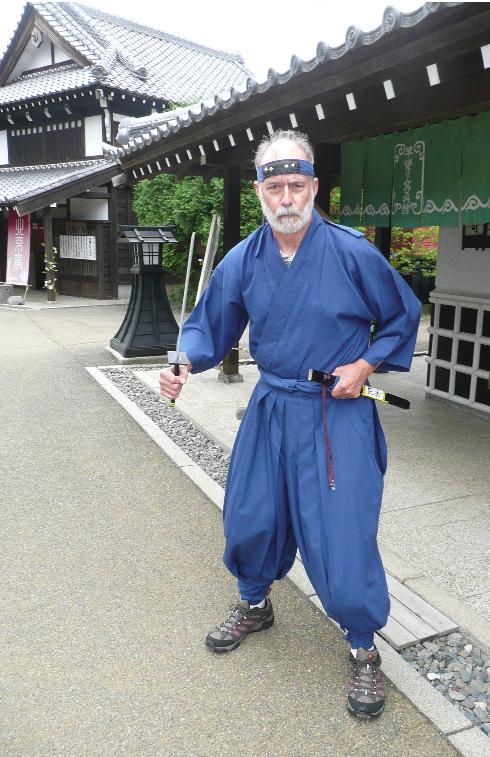
The Ninja Village at Noboribetsu - "Cultural Theater"


The Ninja Village at Noboribetsu is a history theme park highlighting city life in the Edo Period. The Edo Period is a division of Japanese history running from 1603 to 1868, considered the beginning of the early modern period of Japan. This was the first time in Japan’s long history that city life and the merchant class played a vital role. (While we were there, we certainly contributed to the vitality of the merchant class represented!)

Here Phil, Ruben, Buzz, Ren, and Yukari pose with the actresses in the "Cultural Theater," a melodrama depicting Edo social life.

Look Out! Ninja Warriors on the Loose!


The Ninja Village wasn't the same after we left! (Neither were we!)

The Ninja Village - Ruben Meets the Gatekeeper


Hey guys its Ruben. Later that day when we were leaving the ninja village I met the gatekeeper again and he motioned me to put my hands up. Right then I knew he was gonna slice his fake sword into my hands like I was stopping it. But out of nowhere he reached under his sleeve and pulled out a mini sword and sliced my side. I thought that was pretty cool because I couldn't see his dagger under his sleeve and he did it super smooth.

Ninja Village - Ruben Hits Blowdart Target


It was so cool!!! I used a blow dart gun and shot this tiny red target and my prize was this coin that was worth 500 yen in the gift shop or this plastic chinese throwing star that looks like it would bend if you dropped it. I used the 500 yen to buy Molly, Hank, Kelly, and Mary a toy that I think they will like.

Eating "Hairy Crabs"


Yukari coaches Ruben in the preparation of Hairy crabs, so named because of hair-like growths on their legs and bottom shell. They are a delicacy that originated in China and are very tasty [totemo oishii].

Chillin'


In the Sapporo Coleman's living room.

A Pet Project


Ruben and Ren construct the "Elmo Pet Vet Building Set," a present from "Nana" Marsha - given in reference to Sato-san's profession. Note portions of two alphabet charts on the wall. The one on the right features both Japanese cursive characters and Western characters. (For a real western "character," see the post above this one.)